
Replacing a pool pump in Katy, TX
Your pool pump is more than just a machine – it’s the heart of your pool’s circulation system. When it’s healthy, water moves smoothly through the filter, the chemicals distribute evenly, and everyone enjoys sparkling water. When it’s struggling, the whole backyard oasis suffers. As the owner of Katy Blue Pool Services, I’ve seen firsthand how a neglected pump can turn a crystal‑clear pool into a cloudy swamp. Today, we’re going to talk about how to spot trouble before it ruins the swim season.
In our warm Gulf Coast climate, pumps run long hours to keep water balanced. Heat, humidity and seasonal storms take their toll on seals, bearings and electronics. Learning to recognize warning signs helps you avoid expensive breakdowns and keeps your pool pump repair budget under control. We’ll walk through what those signs look and sound like, what causes them, and when to repair versus replace. Along the way, I’ll share stories from the field, answer common questions, and sprinkle in a little humor – after all, maintaining a pool shouldn’t feel like pulling teeth.
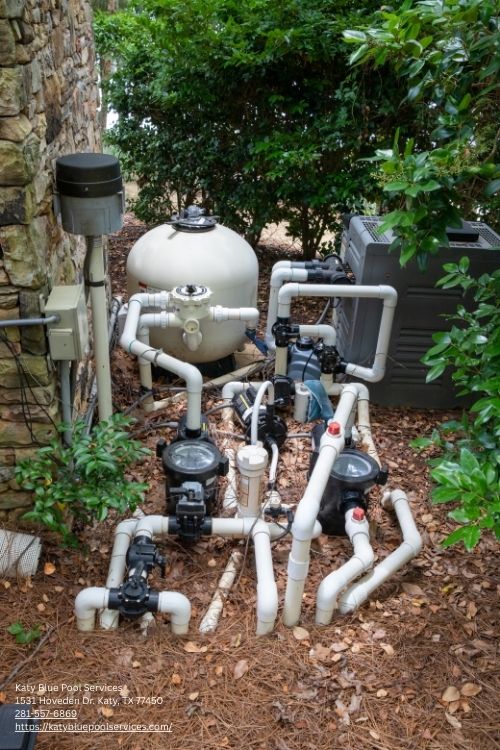
Why the Pool Pump Matters in Katy, TX
Think of your pool as a big coffee machine. The pump is the part that pulls water through filters and pipes much like a brewer draws hot water through a filter to make a pot of coffee. Without a pump, debris and bacteria accumulate, chemicals don’t mix properly, and the water quickly goes from inviting to “nope.” A good pump circulates all the water in the pool several times a day, ensuring an even distribution of sanitizer and keeping algae at bay. When any of its components – the motor, impeller or housing – fail, circulation suffers.
Modern pumps are engineered to run quietly and efficiently. They should emit a steady hum and maintain consistent water flow. When you start hearing strange noises or seeing bubbles, it’s time to pay attention.
Nine Signs Your Pool Pump Needs Attention
From squeals and shrieks to weak jets and dribbles, your pump will tell you when it’s unhappy. Below are some of the most common red flags we encounter during Katy pool service calls.
1. Unusual Noises
A healthy pump hums along like a contented cat. When you hear grinding, screeching or rattling, something is wrong. Worn bearings, a loose or damaged impeller, or air in the system can all cause obnoxious sounds. One customer described their pump as sounding like “a blender full of marbles.” In that case, the culprit was a failing bearing, and we were able to replace it before it seized the motor.
Ignoring noise is like ignoring a squeaky belt in your car – it rarely ends well. Bearings are inexpensive, but if left unchecked the friction can overheat the windings and cause the motor to fail. If you hear new noises, shut the pump off, inspect the basket for debris, and call a professional if the noise persists.
2. Reduced Water Flow
Weak circulation often shows up as cloudy water, algae growth or motionless areas in the pool. Your first instinct might be to blame the filter, but poor flow is often traced back to the pump itself. Clogged baskets, debris in the impeller and air leaks on the suction side can restrict water flow. Our team often finds that heavy storms blow leaves and twigs into the skimmer, clogging the impeller. Clearing out baskets and removing debris restores proper flow, but if the problem recurs, the pump may have a worn impeller or misaligned housing.
A pump that can’t push enough water through the filter not only allows dirt to accumulate, it prevents chemicals from dispersing evenly. This leads to imbalanced chemistry and additional strain on other equipment. Monitoring the pressure gauge on your filter and visually checking for strong return jets helps you spot weak flow early.
3. Air Bubbles and Spitting Water
When bubbles appear in the return line or water spits intermittently from the jets, it’s usually a sign that air is entering the suction side. Cracked suction lines, loose pump lids and worn O‑rings allow air into the system. I once responded to a call where the pump looked like it was blowing bubbles in a fish tank – the culprit was a cracked lid causing a suction leak. A simple replacement lid cured the problem.
Air leaks not only reduce pumping efficiency, they can cause the pump to lose prime. Without prime, the pump runs dry and overheats. Check lids, seals and fittings regularly, and lubricate O‑rings to maintain a good seal.
4. Frequent Loss of Prime
If your pump struggles to start or loses prime repeatedly, it may be starving for water. Clogs in the suction line, blocked impellers, incorrectly installed plumbing or an aging pump can all contribute to priming issues. Pumps installed above the waterline or far from the pool are particularly susceptible. During extreme heat, the water level can drop quickly, exposing the skimmer line to air. Ensuring the water level stays above the skimmer opening is an easy way to prevent priming problems.
In Katy’s humid climate, seals become brittle over time. If the pump won’t prime even after clearing debris and topping off water, it may have a worn seal or cracked housing. Replacing those parts may solve the issue, but if the pump is old or repeatedly losing prime, replacement might be the smarter investment.
5. Leaks Around the Pump
Discovering wet spots around the pump is more than just a nuisance. Leaks often stem from worn seals, cracked housings or loose fittings. They waste water, expose equipment to moisture, and can cause motors to overheat. I’ve seen pumps with rusted mounting brackets from slow leaks that went unnoticed for months. Catching leaks early can prevent secondary damage to the motor and electrical components.
Look for puddles under the pump, rusty bolts or water stains on the concrete pad. Tightening fittings and replacing seals often fixes small leaks. If cracks in the housing are visible, the pump may need to be replaced.
6. Overheating or Shutting Off
Pumps that run for a short time and then shut off could be overheating. Common culprits include failing capacitors, blocked ventilation, voltage issues or an aging motor. In Texas summers, pumps work overtime and can overheat if they sit in direct sun without adequate airflow. Clearing leaves and debris from around the pump and providing shade helps keep the motor cool.
You may also notice the pump feeling excessively hot to the touch or smelling “electrical.” Modern motors have thermal cutoffs that shut the pump down when it overheats to prevent damage. If this happens, let the motor cool and check for obstructions. Persistent overheating signals a deeper issue that calls for professional inspection.
7. Rising Energy Bills
An old or struggling pump often runs inefficiently. Older single‑speed pumps operate at full throttle all the time, wasting energy. Worn bearings, misaligned parts and clogged impellers can force the motor to work harder, driving up electricity costs. If you notice a spike in your electric bill during pool season, the pump may be to blame. Upgrading to a modern variable‑speed model can reduce energy usage by 80 percent or more.
8. The Pump Won’t Turn On
When the pump fails to start at all, the culprit could be a tripped breaker, faulty capacitor or burnt‑out motor. In some cases, simply resetting the breaker solves the problem. If the issue recurs, there could be an electrical short or a failing start component. Because electrical repairs carry risks, professional help is recommended.
9. The Pump Is More Than a Decade Old
Even with excellent care, most pumps have a lifespan of 8–12 years. Materials wear down, parts corrode and efficiency declines over time. If your pump is over a decade old and experiencing frequent issues, replacing it may be more cost‑effective than chasing repairs.
Variable‑speed pumps are not only more energy efficient, they also run cooler and quieter than single‑speed units. Many homeowners recoup the cost of a new pump through reduced energy bills within a few years. In addition, new pumps often come with longer warranties and improved safety features.
Repair or Replace? Factors to Consider
Deciding whether to repair or replace your pump is a balancing act. Minor issues such as replacing O‑rings, capacitors or seals can be relatively inexpensive repairs. If the cost of repair is less than half the price of a new pump and the unit is otherwise in good condition, repairs make sense. However, frequent breakdowns, motor failure or cracked housings usually point toward replacement.
When advising customers, I consider the pump’s age, the cost of parts, energy efficiency and overall reliability. I’ve seen pumps that look like antiques yet purr like kittens thanks to regular care, while others fail prematurely because maintenance was neglected. When replacement is the best option, I help customers choose a model sized correctly for their pool volume and plumbing configuration. Sizing is crucial – a pump that’s too small will struggle to circulate water, while an oversized one wastes energy and can damage equipment.
How to Prolong Your Pool Pump Lifespan in Katy, TX
Preventative care is key. With a few minutes of routine maintenance each week, you can extend the life of your pump and avoid major repairs.
Maintain Water Chemistry
Balanced water protects metal parts and seals from corrosion. Keep your chlorine between 1 and 3 ppm and your pH between 7.2 and 7.6 to prevent rust and scale. High pH or chlorine can degrade rubber and plastic components. In our hot summers, chlorine dissipates quickly, so test the water frequently and adjust chemicals accordingly. Poor water quality doesn’t just affect swimmers; it puts additional strain on the pump and all equipment.
Clean Baskets and Inspect Seals
Check skimmer and pump baskets weekly to remove leaves and debris. A clogged basket restricts flow and forces the pump to work harder, accelerating wear. While you’re at it, inspect the pump lid and O‑ring for cracks or dryness and lubricate it with silicone grease to maintain a good seal. Replace worn or flattened O‑rings promptly.
Keep the Area Clear
Ensure the pump has proper ventilation. Remove leaves, twigs and other obstructions from around the motor housing. Provide shade or a cover to protect the pump from direct sunlight, but make sure it doesn’t restrict airflow. We once saw a pump motor overheating because a well‑meaning homeowner built a decorative box around it that didn’t allow heat to escape.
Schedule Professional Inspections
Once a year, have a qualified technician perform a comprehensive inspection. They’ll check electrical connections, test capacitors, inspect bearings and seals, and confirm that the pump is sized correctly for your pool. Annual servicing catches issues before they become catastrophic and gives you peace of mind heading into the busy swim season.
Frequently Asked Questions
How often should I replace my pool pump?
With proper care, pumps typically last eight to twelve years. If yours is approaching ten years and experiencing issues, start budgeting for replacement.
Can I repair my pump myself?
You can handle basic tasks like cleaning baskets or replacing the lid O‑ring. However, replacing bearings, capacitors or dealing with electrical issues should be left to professionals for safety reasons.
Why does my pump make a whining sound?
Whining or screeching usually indicates worn bearings or a leaking seal. Addressing this early often prevents motor damage.
Is a variable‑speed pump worth it?
Variable‑speed pumps adjust their speed based on the task, consuming less energy. They can save up to 80 percent on electricity costs while running quieter and lasting longer than single‑speed models.
What happens if the pump loses prime?
Without prime, the pump can’t move water and may run dry, leading to overheating and seal damage. Always maintain the proper water level and address air leaks promptly.
Repairing or Replacing a Pool Pump in Katy, TX
Your pool pump works hard every day to keep your backyard oasis clean, safe and inviting. Like any hardworking member of the family, it deserves a little TLC. By paying attention to sounds, flow and leaks, and by staying proactive with maintenance, you can catch issues early and avoid costly downtime. In Katy’s hot, humid climate, a well‑maintained pump is your best defense against algae blooms and cloudy water.
At Katy Blue Pool Services, we take pride in helping our neighbors keep their pools in peak condition. If you’re hearing odd noises, noticing weak jets or just have questions about your pump’s performance, give us a call. We’d love to be your partner in creating a worry‑free swimming experience.
