
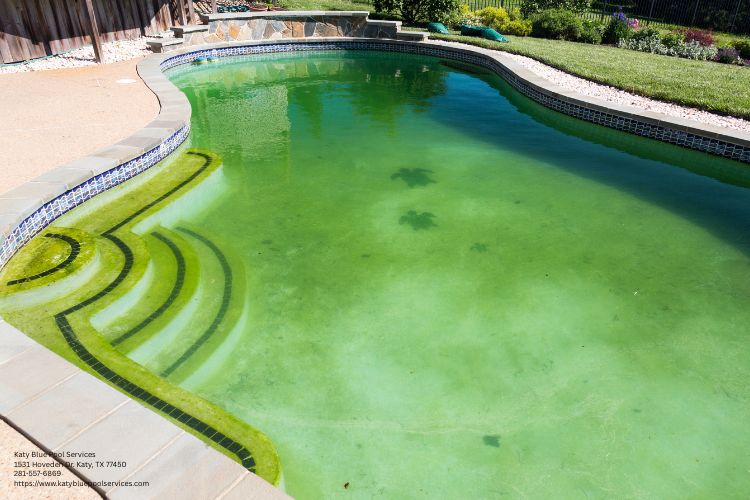
Keeping a backyard swimming pool sparkling and inviting is a constant challenge in warm climates like Katy, Texas. High temperatures and intense sunlight create perfect conditions for algae to bloom, turning blue water green and making surfaces slippery and unsafe. Once established, algae can stain plaster, clog filters and throw off water chemistry. The good news is that with consistent upkeep and the right preventive measures, you can keep your pool free of algae all season long. This guide covers why algae thrives in hot weather, the common types that show up in residential pools, and an evidence‑based plan to prevent it.
Preventing Algae Growth and Why It Thrives in Warm Climates
Algae are microscopic plants that naturally exist in the environment. Spores travel through the air and can enter your pool on swimsuits, in rainwater or blown in with debris. In nature, algae contribute to the balance of aquatic ecosystems. In a pool, however, they’re unwelcome guests. Warm water, bright sunlight and organic nutrients provide ideal breeding grounds. Experts note that algae thrive in sunny, nutrient‑rich environments; leaves, dirt and sunscreen supply the nutrients while warm temperatures and stagnant water encourage rapid growth. Imbalanced water chemistry – particularly low chlorine, high pH or poor alkalinity – allows spores to gain a foothold.
Factors that Encourage Algae in Hot Weather
- Warm water temperatures – Algae multiply quickly when water stays warm. Summer heat waves and consistently high temperatures shorten the time it takes for spores to bloom.
- Strong sunlight – Like any plant, algae need light to grow. Shallow areas and spots with poor circulation get the most sun exposure.
- Nutrients in the water – Organic matter such as leaves, pollen, sunscreen and sweat provide food for algae. Phosphates, in particular, act as fertilizer; levels above 100 parts per billion (ppb) promote blooms.
- Poor circulation – Stagnant water allows spores to settle. Algae often appear in “dead zones” where the pump’s return jets don’t reach.
- Imbalanced water chemistry – Low sanitizer levels, elevated pH or incorrect alkalinity reduce the water’s ability to inhibit growth.
By recognizing these factors, you can proactively adjust your maintenance routines to limit the conditions algae need to flourish.
Identifying Common Pool Algae Growth
Different algae species require different treatment approaches, so it helps to know what you’re dealing with. The three main types found in residential pools are:
Green Algae
Green algae is the most common and easiest to remove. It appears as green, slimy patches on walls and steps or as cloudy green water. This type spreads quickly but responds well to brushing, vacuuming and proper chemical balance.
Mustard or Yellow Algae
Mustard algae presents as yellow or brownish spots and is often mistaken for pollen or sand. It tends to cling to shaded areas like behind ladders or pool lights. Because it resists normal sanitizer levels, treatment requires thorough brushing and higher doses of chlorine.
Black Algae
Black algae appear as dark spots with a tough, protective layer. It develops deep roots in plaster or concrete and is notoriously stubborn. Removing it typically involves aggressive brushing with a stainless‑steel brush, followed by shock and a strong algaecide.
Maintain Ideal Water Chemistry
Balanced water chemistry is the foundation of algae prevention. By keeping sanitizer and pH in the proper ranges, you create an environment that inhibits algae growth. Experts recommend the following target ranges:
| Parameter | Ideal Range |
|---|---|
| Free chlorine | 1–3 ppm (up to 4 ppm during peak usage) |
| pH | 7.2–7.6 |
| Total alkalinity | 80–120 ppm |
| Cyanuric acid (stabilizer) | 30–50 ppm |
Test your water at least twice per week during hot weather and adjust chemicals as needed. In very warm climates or during heat waves, testing three times weekly ensures sanitizer levels don’t dip too low. Use a reliable liquid test kit for accuracy and store reagents properly. When free chlorine drops below 1 ppm, add sanitizer promptly; one quart of liquid chlorine or one pound of granular chlorine per 10,000 gallons raises free chlorine by about 1 ppm. Avoid over‑chlorinating, though – levels above 5 ppm can cause skin and eye irritation. If sanitizer climbs too high, stop dosing, run the pump and let sunlight degrade the excess.
Keep pH and Alkalinity in Balance
pH controls how effectively chlorine works. When pH rises above 7.8, chlorine becomes less efficient at killing bacteria and algae spores. Use a pH decreaser (muriatic acid or sodium bisulfate) to bring levels down; raise low pH with soda ash. Alkalinity acts as a buffer, preventing rapid pH swings. Keep it between 80 and 120 ppm to stabilise pH. Low alkalinity can cause staining and pitting, while high alkalinity can lead to cloudy water and scaling.
Manage Cyanuric Acid Levels
Cyanuric acid (CYA) protects chlorine from photodegradation. Maintain it between 30 and 50 ppm. Too little CYA means chlorine degrades quickly, making it harder to maintain sanitizer levels in intense sun; too much CYA (above 90 ppm) can “lock” chlorine, requiring extremely high free chlorine to be effective. The only way to reduce excess CYA is to dilute the pool by partially draining and refilling, so avoid overusing stabilised chlorines.
Shock Regularly
Shock treatments boost sanitizer levels quickly to oxidise organic contaminants and kill algae spores. Add a high dose of chlorine or non‑chlorine shock every one to two weeks, and always shock after heavy use or rainstorms. Shocking at night prevents sunlight from burning off chlorine too quickly. Brush the pool immediately before shocking to loosen any spores so the sanitizer can reach them. If you’re treating for mustard or black algae, follow shock with a targeted algaecide.
Keep Your Pool Clean and Circulating
Algae loves still, dirty water. Keeping the pool clean and the water moving denies spores a place to settle and starves them of nutrients.
Run Your Pump and Filter
A properly sized pump and filter are your first line of defense. Circulate water for at least 8–12 hours daily during the swimming season. In very hot weather or during heat waves, run the pump longer – up to 16 hours a day – to ensure multiple turnovers of the water. Circulation distributes sanitizer evenly and moves debris toward the filter. If using a variable‑speed pump, run it at a low speed for 12–20 hours to maintain circulation while saving energy. Keep an eye on circulation “dead zones” such as behind ladders, steps and corners; adjust return jets to create a circular flow and brush these areas regularly.
Clean the Filter
A dirty filter slows water flow and lets debris recirculate. Backwash sand or diatomaceous earth filters when pressure rises 8–10 psi above the clean baseline. Rinse cartridge filters at similar pressure increases. After any algae treatment, clean or backwash the filter and run the pump continuously for 24–48 hours to remove dead algae.
Brush, Vacuum and Skim
Brush your pool walls, steps and corners at least weekly to dislodge spores and biofilm. Follow with vacuuming to remove debris from the floor. Skim the surface daily during swim season to remove leaves, insects and pollen before they sink or decompose. An automatic pool cleaner or robot can handle some of the daily workload, but manual brushing remains essential, especially on textured surfaces where algae can cling.
Remove Organic Debris Promptly
Leaves, grass clippings and other debris supply nutrients for preventing algae growth. Trim nearby trees and shrubs to reduce leaf litter. Consider using a pool cover when the pool isn’t in use to keep debris out and limit sunlight exposure. During summer, a solar cover also reduces evaporation and helps maintain water temperature.
Control Nutrients and Phosphates
Even with good circulation and sanitizer, algae can flourish if the water is rich in nutrients. Phosphates are a primary food source; they enter the pool via lawn fertiliser, soil, leaves, sweat and some pool chemicals. Levels above 100 ppb encourage algae growth. To manage phosphates:
- Test phosphates regularly – Checking phosphate levels monthly helps you spot rising levels before they become a problem. Home test kits are available, or you can have water tested professionally.
- Use phosphate removers – Add liquid or granular phosphate removers according to product instructions to bind phosphates and allow the filter to capture them. Some natural enzymes offer an eco‑friendly alternative.
- Improve filtration – Upgrading to a higher‑quality filter or adding a supplemental filter can reduce the organic load and help remove phosphates.
- Keep fertilizers away – Avoid blowing grass clippings toward the pool and sweep up spilled fertilizer promptly.
By controlling phosphates and removing organic debris, you limit the nutrients algae need to multiply.
Use Algaecides Wisely
Algaecides provide an extra layer of protection when chlorine alone isn’t enough. Add a preventative algaecide weekly during peak season or before forecast heat waves for preventing algae growth. Many products use copper or silver ions to disrupt algae cell walls. Follow dosing instructions carefully; too much algaecide can cause staining or foam. Remember that algaecide isn’t a substitute for proper sanitizer levels and circulation – it should complement them.
Manage Sunlight and Temperature
Sunlight fuels algae growth, so reducing exposure helps keep blooms at bay. Install shade structures or plant landscaping to cast shadows on the pool during the hottest part of the day. Using a light‑colored or reflective pool surface can also reduce heat absorption. During heat waves, run your pump longer and test water chemistry more frequently. Adding extra sanitizer before extreme weather helps maintain residual levels when chlorine demand increases. If your pool is heated, consider lowering the thermostat slightly to slow algae reproduction.
Respond Quickly After Storms and Heavy Use
Rainstorms and pool parties introduce debris, body oils and contaminants that upset water balance. After a storm or busy gathering, test chlorine, pH and alkalinity as soon as conditions allow and make adjustments. Shock the pool and run the pump longer to circulate fresh sanitizer. Skim debris promptly and clean baskets and filters. Addressing these issues quickly prevents the nutrient build‑up and sanitizer depletion that lead to algae blooms.
What to Do If Algae Appears
Despite your best efforts, algae can sometimes appear. When that happens, act fast:
- Identify the type of algae – Knowing whether you have green, yellow or black algae determines the treatment intensity.
- Test and rebalance the water – Adjust pH, alkalinity and chlorine to the ideal ranges before treatment.
- Brush aggressively – Use a pool brush to scrub walls, steps and tight corners. For black algae, use a stainless‑steel brush to break through the protective layer.
- Shock the pool – Add a high dose of chlorine shock, following product instructions for your pool size.
- Add algaecide – Use a product suited for the specific algae. Copper‑ or silver‑based algaecides are effective against stubborn black algae.
- Run the pump continuously – Keep circulation running 24–48 hours to filter out dead algae.
- Vacuum and clean the filter – Remove the dead algae from the floor and thoroughly clean or backwash the filter.
- Maintain preventive routines – Once the water clears, continue regular testing, brushing and phosphate control to prevent recurrence.
Build a Weekly and Monthly Maintenance Schedule
Consistency is the key to algae prevention. Creating a schedule ensures that important tasks aren’t overlooked. A good routine includes:
Weekly Tasks
- Skim and brush – Use a skimmer net to remove leaves and debris daily, and brush the walls and floor weekly.
- Vacuum – Manually vacuum once a week or run a robotic cleaner.
- Test water chemistry – Check chlorine, pH and alkalinity at least twice a week; adjust chemicals accordingly.
- Check water level – Ensure the water sits halfway up the skimmer opening for proper filtration and top off if needed.
Monthly Tasks
- Deep clean the filter – Backwash sand and D.E. filters or hose down cartridge filters for optimal performance.
- Inspect equipment – Look for leaks or wear on pumps, heaters and lights.
- Shock the pool – A monthly shock treatment keeps organic contaminants in check.
- Test phosphates – Monitor phosphate levels and treat if necessary.
Seasonal Adjustments for preventing algae growth in Katy TX
In warm regions, swimming season may extend well into the fall. As temperatures drop, reduce pump run time but continue testing water weekly. During winter, run the pump periodically to keep water circulating and to avoid stagnant zones. At the start of spring, inspect equipment, clean the pool thoroughly and rebalance the water before peak swimming season.
Embrace Smart Pool Technology
Modern technology can simplify algae prevention. Smart sensors monitor water chemistry in real time and alert you when levels drift. Automated chemical feeders dispense precise doses of chlorine or pH adjusters. Robotic cleaners and automated skimmers reduce manual labour. While these devices require an upfront investment, they help maintain consistent water quality and can save money over time by preventing algae growth in your Katy Pool.
Preventing Algae Growth in Katy TX Pools
Preventing algae growth in warm climates is all about diligence and balance. Warm water, intense sunlight and abundant nutrients create an environment where algae can thrive, but maintaining proper water chemistry, ensuring good circulation, keeping the pool clean and controlling phosphates go a long way toward stopping blooms before they start. Regular brushing, vacuuming and skimming combined with weekly shock treatments and periodic algaecide applications form a robust defense. After storms or heavy use, quick action is crucial. If algae do appear, prompt identification and targeted treatment will restore clarity. By following these comprehensive tips and tailoring your maintenance routine to Katy’s hot climate, you can enjoy a clear, inviting pool all season long. Contact Katy Blue Pool Service in Katy TX for help with preventing algae growth.
