
Seasonal Pool Care in Katy TX
Owning a pool is a year‑round commitment. Each season brings unique challenges that require adjustments to your maintenance routine. In Katy, where the climate ranges from steamy summers to mild winters with the occasional freeze, understanding seasonal pool care is essential. Properly transitioning your pool from one season to the next keeps water sparkling, equipment running smoothly and costs under control. This comprehensive guide covers spring opening, summer maintenance, fall transition and winter monitoring tailored for Katy homeowners. By following these steps and recognizing the reasons behind them, you’ll make the most of your backyard oasis while prolonging the life of your investment.
Spring Start‑Up: Preparing for a Splashing Season
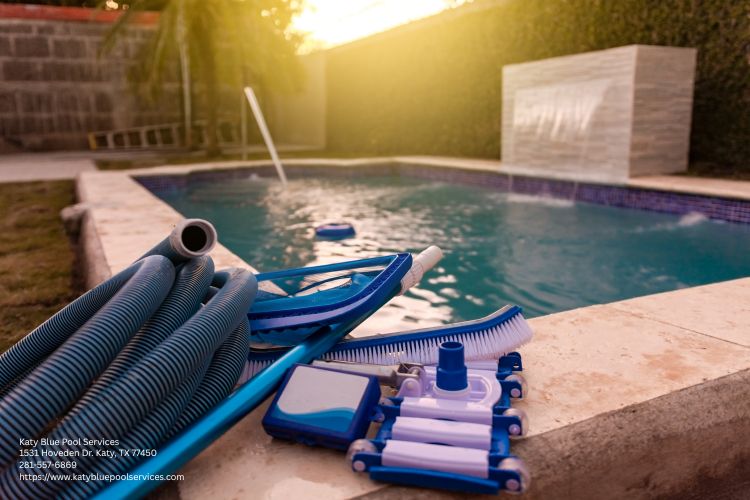
After a quiet winter, spring is a time of renewal. Preparing your pool properly ensures a smooth start and avoids setbacks later in the season. Trusted seasonal care guides emphasize that the first step is to remove the pool cover and clean it thoroughly. Carefully remove the cover without letting accumulated debris fall into the water. Spread the cover out on a clean surface and use a garden hose or pressure washer to wash away dirt and mold. Let it dry completely before folding it for storage to prevent mildew.
Once the cover is off, inspect pool equipment. Check the pump, filter and heater for signs of wear, cracked fittings or leaks. Replace worn O‑rings and gaskets, tighten connections and make sure the filtration system is assembled correctly. Inspect return jets and skimmer doors to ensure they move freely. Also check safety equipment such as pool fences, gates and alarms to ensure everything is in working order.
Next, test and balance the water chemistry. After months of low usage, pH and alkalinity may be off. Use a reliable kit to measure pH, alkalinity, calcium hardness and chlorine, then adjust to recommended ranges before inviting swimmers. Balanced water prevents corrosion, protects surfaces and ensures sanitizers work effectively. In spring, you may need to add stabilizer (cyanuric acid) because winter rains can dilute it.
Following water balancing, shock the pool and start the filtration system. Shocking with liquid chlorine or another approved product eliminates bacteria and breaks down organic matter that has built up over winter. Prime the pump and run the filter continuously for at least 24 hours, then backwash or clean the filter to remove debris loosened by the shock treatment. Continue testing daily until levels stabilize.
Lastly, address necessary repairs or maintenance. Inspect the pool structure for cracks, chipped plaster or missing tiles. Fixing minor issues early prevents them from worsening. Look at decks and coping stones for signs of movement or deterioration and repair as needed. If you have automation systems, update software and calibrate sensors. This is also a good time to schedule professional service for equipment tune‑ups and inspections.
Summer Maintenance: Keeping Water Crystal Clear
Katy summers are hot and humid, leading to heavy pool use and faster chemical breakdown. A diligent summer maintenance routine keeps water inviting and equipment efficient.
Experts recommend skimming debris from the water’s surface regularly. Leaves, insects and pollen accumulate quickly, especially with nearby trees and gardens. Skimming prevents debris from sinking and decomposing, which would fuel algae growth. Use a leaf net or skimmer basket daily.
Brush and vacuum the pool to remove dirt and organic material on walls, steps and floors. Brushing disrupts algae colonies and lifts particles into suspension, where they can be filtered out. Vacuum weekly using a manual or automatic vacuum; robotic cleaners offer convenience and thoroughness, but still require occasional manual brushing around ladders and corners.
Maintaining proper water chemistry and sanitizer levels is critical during summer. High temperatures accelerate chlorine loss and organic contamination. Test pH, alkalinity and chlorine every few days and adjust as needed. Add cyanuric acid to stabilize chlorine against UV degradation. Consider using a secondary sanitizer such as ozone or UV systems for additional protection. Maintain calcium hardness within recommended levels to prevent scaling.
Regularly monitor and clean the filtration system. A dirty filter restricts circulation, increasing energy usage and reducing filtration efficiency. Backwash sand and DE filters when pressure rises 8–10 psi above normal. Clean cartridge filters every few weeks with a hose. Inspect pump baskets and skimmer baskets every few days and remove debris to maintain optimal flow.
Always check and adjust the water level. During Katy’s summer, evaporation rates soar, causing the water level to drop quickly. A low water level can make the pump suck air and lose prime, which can damage equipment. Monitoring the water level ensures proper circulation. Add water as needed, and if you have an auto‑fill system, check it for leaks or malfunctions.
In addition to these core tasks, remember to shock the pool after heavy use, maintain a consistent pump run time of 8–12 hours per day, clean the tile line to prevent scum buildup and lubricate moving parts. Inspect equipment weekly for leaks, unusual noises or reduced flow. Keep landscaping trimmed to minimize organic debris and consider installing a solar cover to reduce evaporation and protect chlorine from sunlight. When storms are forecast, secure loose furniture and remove toys to prevent them from blowing into the pool. After a storm, remove debris and test water before swimming.
Fall Transition: Safely Winding Down
As temperatures moderate in September and October, begin adjusting your routine to transition toward off‑season care. Leaves and pine needles become the primary issue, and water usage declines.
Before closing your pool, remove debris and leaves thoroughly. Decaying leaves can stain surfaces and feed algae. Skim daily and use a leaf rake or vacuum to remove material that has sunk to the bottom. Brush walls and steps to dislodge any growth that has taken hold during the summer.
Next, test and balance the water chemistry one last time for the season. Adjust pH, alkalinity and sanitizer to the upper ends of their ranges to help stabilize the water during cooler weather. Add a metal sequestrant if your water has high iron or copper content to prevent staining.
You should lower the water level and drain pool equipment according to manufacturer recommendations. Lowering the water reduces the chance of freezing damage to skimmers and tile lines. Drain pumps, filters and heaters to remove trapped water that could expand if temperatures drop below freezing. In Katy, complete draining is not usually necessary; instead, aim to reduce water to just below the tile line or skimmer. Use a shop‑vac or air compressor to blow out lines if you anticipate a hard freeze.
Fall is also the time to protect the pool from freezing temperatures and cover it securely. Install winterizing plugs in skimmer and return lines if you expect a freeze. Choose a winter cover that fits snugly and prevents debris from entering. Solid covers block light and keep water chemistry stable, while mesh covers allow rainwater through and require monitoring of water levels. Secure the cover with water bags or hardware designed for your pool type. A properly fitted cover reduces maintenance during winter and makes spring reopening easier.
Winter Monitoring: Keeping Your Investment Safe
Although the pool may be closed, winter maintenance still matters. In mild climates like Katy’s, winters are short but can deliver a surprise freeze. Regular monitoring prevents small issues from becoming expensive repairs.
First, inspect the pool cover periodically. Make sure it remains tight and intact. Remove any leaves, twigs or standing water that accumulate on top. A sagging cover can tear under the weight of debris or allow contaminants to seep into the pool. If you see animals or children walking on the cover, increase safety measures such as fencing and alarms.
Continue to monitor water chemistry every few weeks. Even when unused, the pool’s water can become unbalanced due to rain and organic material. Maintain pH and sanitizer within the recommended ranges and add a winter algaecide if needed. Balanced water prevents staining and scaling while the pool is idle.
If cold temperatures threaten, protect pool equipment from freezing by covering exposed pipes and using insulation. Drain any remaining water from pumps and heaters and wrap pipes with foam insulation. Check that the freeze guard on your pump is functioning and that water levels are adequate to keep the pump primed. During the coldest periods, run the pump for at least six hours per day or longer to keep water moving.
On milder winter days, take the opportunity to perform occasional maintenance tasks such as removing debris from the cover and skimming the surface. This prevents buildup and makes spring opening easier. Remove any snow that might accumulate on the cover during rare cold snaps. Do a quick equipment check to ensure nothing has cracked or leaked.
As winter draws to a close, prepare for pool reopening. Plan ahead by cleaning and drying the cover and following the spring opening steps when warmer weather returns. Inspect the area around the pool for any damage from freeze–thaw cycles, such as cracked decking or loose coping stones. Reconnect and prime the equipment and rebalance the water before inviting swimmers back.
Adapting Seasonal Pool Service for Katy’s Climate
Katy’s subtropical climate means that the growing season is long and winters are usually mild. To adapt your seasonal pool service, remain flexible. If temperatures stay warm into late fall, continue weekly skimming and vacuuming. If a freeze warning is issued, adjust your maintenance plan to protect equipment and water lines. Use freeze guards or set timers to run pumps overnight when temperatures dip. Avoid draining the pool completely, as ground pressure can cause structural problems; instead, lower water just enough to protect skimmers and tile.
Watch rainfall patterns during fall and winter. Heavy rains dilute chlorine and stabilizer, so test after storms and adjust chemicals. During drought conditions, water can become more concentrated, increasing calcium hardness and total dissolved solids. Use partial drain and refill techniques to keep levels in check. Because Katy is prone to hurricanes and tropical storms, combine your fall and winter preparations with storm readiness: secure loose items, avoid using covers during high winds and shock the pool after storms to oxidize contaminants.
Safety and Efficiency Tips for Seasonal Pool Service in Katy
Safety should be a priority year‑round. Inspect fencing and gates each season, ensuring they comply with local regulations that require barriers at least 48 inches high and self‑latching gates. Keep lifesaving equipment like flotation devices and reaching poles accessible. Teach children about pool rules and never allow swimming alone, even in winter.
Energy efficiency matters as well. Adjust pump run times according to seasonal demand: longer hours during summer (8–12 hours) and shorter periods during winter (6–8 hours). Consider installing a variable‑speed pump, which can reduce energy consumption and save money year‑round. Clean filters regularly and upgrade to a large cartridge filter for greater efficiency and less backwashing. Covering the pool during cooler months reduces heat loss and evaporation, cutting down on heating and chemical costs.
Working With Professionals for Seasonal Pool Service
Maintaining a pool throughout the year requires knowledge, time and specialized tools. Many homeowners prefer to handle routine tasks themselves during spring and summer but enlist professional help for seasonal transitions. Professionals can perform detailed inspections, spot early signs of equipment failure and ensure that water chemistry is balanced correctly. They can also help with complex tasks like blowing out lines, calibrating automation and safely handling chemicals.
Katy Blue Pool Services offers seasonal pool service packages tailored to local conditions. They understand the unique challenges of Gulf Coast weather, from extreme heat to occasional freezes. Scheduling a spring opening seasonal pool service ensures that your equipment is checked and running optimally. Mid‑season inspections catch problems before they disrupt summer fun. Fall closing seasonal pool service includes lowering water, draining equipment and securing covers. Winter monitoring packages keep an eye on freeze protections and chemistry. Partnering with professionals gives you peace of mind and frees you to enjoy your pool rather than worry about it.
Seasonal Pool Service in Katy TX
Seasonal pool care is not one‑size‑fits‑all. In Katy, the warm climate means longer swim seasons and shorter dormancy, but it also brings unique challenges like hurricanes, high humidity and occasional freezes. By following a structured approach—cleaning and balancing in spring, vigilant maintenance in summer, careful preparation in fall and regular monitoring in winter—you protect your investment and ensure safe, clear water year‑round. Adapt your routine to weather patterns, prioritize safety and energy efficiency, and don’t hesitate to call in professional help for tasks that require expertise. With mindful care and a thoughtful seasonal plan, your pool will remain a centerpiece of relaxation and family fun through every season.
